Your cart is empty.
Have an account? Log in to check out faster.


Tea and turmeric are two of the most beloved natural products in the world, celebrated for their health benefits, cultural significance, and vibrant flavors. However, a hidden danger lurks in these everyday staples: heavy metal contamination. From lead-adulterated turmeric to tea's surprising ability to bind heavy metals, understanding the risks and benefits of these substances is crucial for making informed choices. As the founder of Living Roots, I am deeply invested in ensuring the purity and safety of the products we consume. This article explores the historical use of lead in turmeric, the heavy metal-binding properties of tea, and how we can protect ourselves from contamination.

When we think about the benefits of tea, we often focus on its antioxidants, calming effects, and delightful flavors. But did you kn1ow that brewing tea can also help remove heavy metals from water? It’s an unexpected perk that makes this ancient beverage even more remarkable.
Heavy metals like lead, cadmium, mercury, and arsenic are environmental pollutants that can make their way into drinking water through industrial runoff, old plumbing, or natural deposits. Long-term exposure to these metals can lead to serious health issues, including neurological disorders, kidney damage, and developmental problems in children. Many people rely on filtration systems to minimize these contaminants, but not everyone has access to high-quality filtration. What if your daily cup of tea could provide an additional layer of protection?
Research has shown that certain compounds in tea leaves, particularly polyphenols and catechins, have the ability to bind with heavy metals. This process, known as chelation, means that when tea is brewed, these compounds can attract and trap metal ions, reducing their presence in the final cup of tea. Essentially, tea acts like a natural filter, helping to neutralize some of the potential harm in contaminated water.
A study published in Food Chemistry found that tea infusions, especially from green and black tea, significantly reduced the concentration of lead, cadmium, and arsenic in water samples (Jiang et al., 2019). Another study from Environmental Science & Technology indicated that tea polyphenols can chelate metal ions and inhibit their absorption in the human body (Zhang et al., 2018). While tea won’t completely eliminate all heavy metals, it can serve as an additional safeguard, particularly when combined with other water purification methods.
Different types of tea contain varying levels of chelating compounds:
Green Tea : Known for its high catechin content, green tea is one of the best options for binding heavy metals. The same antioxidants that contribute to its health benefits also make it effective at trapping contaminants.
Black Tea: While slightly lower in catechins compared to green tea, black tea still has significant metal-binding capabilities due to its theaflavins and tannins.
Oolong Tea : This partially fermented tea falls between green and black tea in terms of catechin and theaflavin levels, offering moderate heavy metal removal.
Pu-erh Tea: Fermented teas like pu-erh contain unique microbial properties that may aid in breaking down contaminants in water, though more research is needed in this area.
Herbal Teas: While not technically “tea” (since they don’t come from the Camellia sinensis plant), some herbal infusions, such as those containing rooibos or hibiscus, have shown potential in binding heavy metals as well.
To get the most out of tea’s ability to reduce heavy metals in water, consider these brewing tips:
Use Loose-Leaf Tea Over Tea Bags – Loose-leaf tea generally contains more intact polyphenols and catechins than the dust and fannings found in most tea bags.
Longer Steeping Times – Allowing tea to steep for at least 5–10 minutes can increase the extraction of metal-binding compounds.
Higher Temperatures – Hotter water helps release more catechins and tannins, making it more effective at trapping heavy metals.
Multiple Infusions – Some studies suggest that the first infusion of tea captures the most contaminants, so discarding the initial steep and rebrewing the leaves might provide a cleaner cup.
(Source)
While tea has the ability to remove heavy metals from water, it’s also worth noting that some tea leaves themselves may contain trace amounts of heavy metals, depending on where they were grown. Certain regions, particularly those with high industrial pollution, may have higher levels of lead or cadmium in the soil, which can be absorbed by tea plants.
To minimize this risk:

Turmeric, a golden spice celebrated for its health benefits and culinary uses, has been a staple in traditional medicine and cuisine for centuries. From curries to teas, its vibrant color and earthy aroma make it a prized ingredient worldwide. However, behind its golden glow lies a hidden danger—lead contamination. The intentional addition of lead to turmeric has a troubling history, posing serious health risks to unsuspecting consumers. Understanding how and why lead was used in turmeric, the dangers it presents, and how to ensure safety is crucial for making informed choices.
The addition of lead to turmeric is not a new practice. Historically, the desire for intensely colored turmeric led to unethical methods of adulteration, particularly in regions where turmeric production is a major industry. In countries like Bangladesh and India, where turmeric is a cultural and economic staple, farmers and middlemen have been known to mix turmeric with lead chromate, a toxic yellow pigment, to enhance its visual appeal and increase its weight.
The motivation behind this adulteration is largely economic. Brightly colored turmeric is often perceived as fresher and of higher quality, making it more attractive to buyers. Lead chromate also increases the weight of the spice, allowing sellers to profit more per batch. This practice became widespread due to the lack of strict regulations and the high demand for vibrant turmeric in both domestic and international markets.
A 2019 study conducted by Stanford researchers revealed the extent of this contamination in Bangladesh. Researchers found that many turmeric samples contained dangerously high levels of lead, with some exceeding international safety standards by several hundred times. This alarming discovery led to government interventions and increased scrutiny in turmeric-producing regions. (Stanford News)
Lead is a potent neurotoxin with no safe level of exposure, especially for children and pregnant women. Chronic exposure to lead can have devastating effects on human health, including:
One of the most concerning aspects of lead contamination in turmeric is that it is often undetectable by taste, smell, or sight. Consumers may unknowingly ingest lead over long periods, leading to accumulated toxicity in the body.
In response to growing concerns, regulatory agencies and governments have taken measures to curb the sale of contaminated turmeric. The Bangladeshi government, in collaboration with public health organizations, has implemented strict policies to eliminate the use of lead chromate in turmeric processing. By 2021, interventions had successfully reduced lead contamination in turmeric samples from 47% pre-intervention to 0%. (Vox)
In the United States, the Food and Drug Administration (FDA) regularly tests imported turmeric and has issued recalls on contaminated batches. The European Union has also enforced stringent regulations, ensuring that all turmeric entering the market meets safety standards.
Despite these efforts, lead-adulterated turmeric still finds its way into the global supply chain. This underscores the importance of vigilance among consumers and businesses alike.
To avoid the risks associated with lead contamination in turmeric, consumers should take proactive steps when purchasing the spice:
1. Buy from Reputable Sources
Purchase turmeric from well-known brands that have a track record of quality control. Look for certifications such as USDA Organic, Non-GMO Project Verified, or Fair Trade Certified to ensure higher safety standards.
2. Check for Third-Party Testing
Some trustworthy brands provide third-party lab test results verifying their turmeric is free from heavy metals. Checking for transparency in sourcing and testing can give you peace of mind.
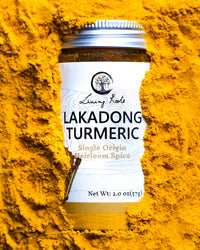
Here at Living Roots, we provide full transparency to our farmer sources and also test each shipment for heavy metals and contamination.
3. Be Cautious of Unusually Bright Turmeric
While turmeric naturally has a rich golden color, an excessively vibrant or unnatural hue may indicate artificial enhancement. If the color looks too intense, it’s best to question its purity. (All of Living Root’s spices are thoroughly lab tested for impurities)
4. Opt for Whole Turmeric Root
Buying whole turmeric root and grinding it yourself reduces the risk of contamination, as it is less likely to have undergone adulteration compared to pre-ground turmeric.
5. Stay Informed About Recalls
Regularly check for food safety alerts and recalls from the FDA or other food safety organizations to ensure you are not consuming contaminated products.
Tea and turmeric have long been celebrated for their health benefits, but their relationship with heavy metals is complex. While tea may help remove harmful metals from water, turmeric has historically been a source of lead contamination. By staying informed and making conscious purchasing decisions, we can continue to enjoy these powerful natural products safely. At Living Roots, we are committed to providing high-quality, responsibly sourced tea and turmeric, ensuring that your health remains the top priority.
Sourced directly from family farms. Pure, authentic, and full of story.
Shop Our Collection