Your cart is empty.
Have an account? Log in to check out faster.
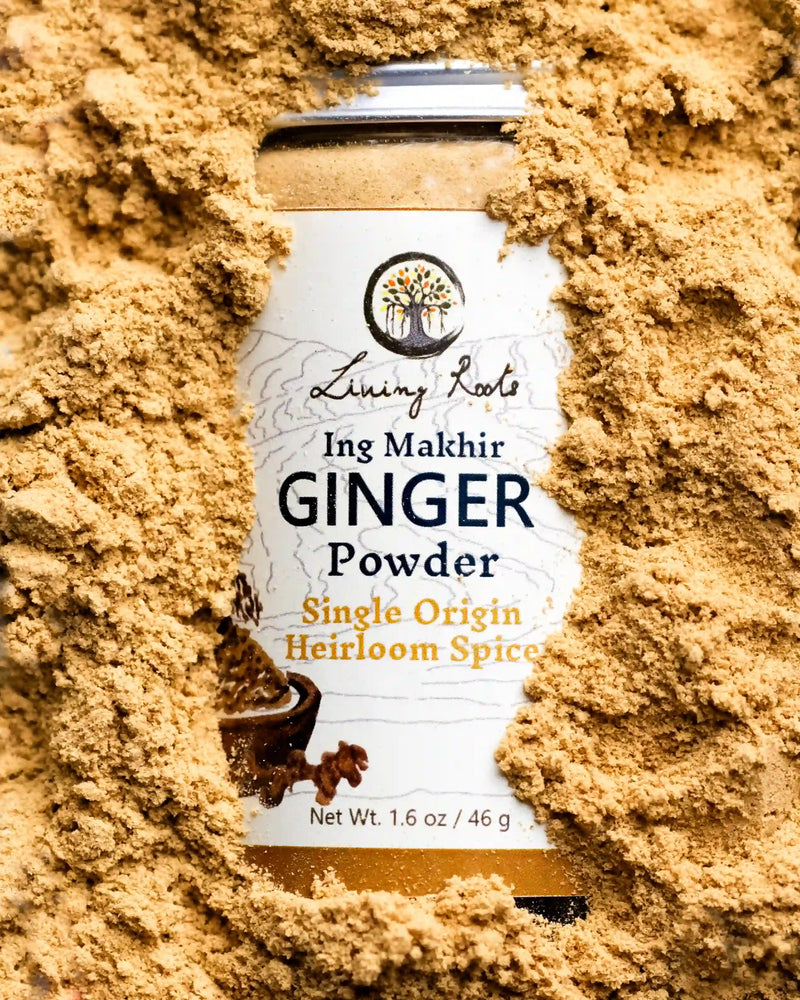
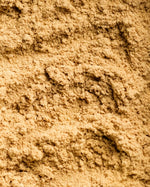
Monsoon-tended, winter-harvested. Fiery depth, impossible warmth.
In Sahsniang village, deep in Meghalaya's misty Jaintia Hills, farmer Shilda Bhoi has been cultivating Ing Makhir ginger since 2012, following traditional, organic methods without pesticides. Planted in April and tended through the monsoon, the ginger is harvested in December- February, when its aroma and natural oils are at their peak. Each step, from land preparation to harvest is guided by the rhythm of the seasons, not the pressure of yield.
Long before laboratories measured its volatile oil content, local communities knew this ginger supported digestion, helped during cold and monsoon seasons, and offered sustained warmth rather than harsh heat. Modern science now confirms what tradition already understood.
This is ginger grown for flavor, integrity, and tradition. A little goes a long way.
Stir ¼ tsp into chai or hot water with lemon and honey for a morning tonic. Add to soups, curries, stir-fries, and marinades for bright, fiery warmth. A little goes a long way — this ginger is potent.

Turmeric and ginger together make a powerful anti-inflammatory duo
Sahsniang, Meghalaya, India

Grown in

Meghalaya — "abode of clouds" — sits at 4,000ft where heavy monsoons and acidic soil produce aromatic spices.

Shilda Bhoi tends Ing Makhir ginger in Sahsniang village, where she's been farming without pesticides since 2012.

Planted in April, tended through the monsoon, harvested in January. Timing is everything for peak volatile oil content.

Fresh Ing Makhir rhizomes from the Jaintia Hills. GI-tagged, fiery, and intensely aromatic — ginger grown for flavor, not yield.