Your cart is empty.
Have an account? Log in to check out faster.


Hear the story in their own words
Directly sourced. Fully traceable. Supporting family farms.
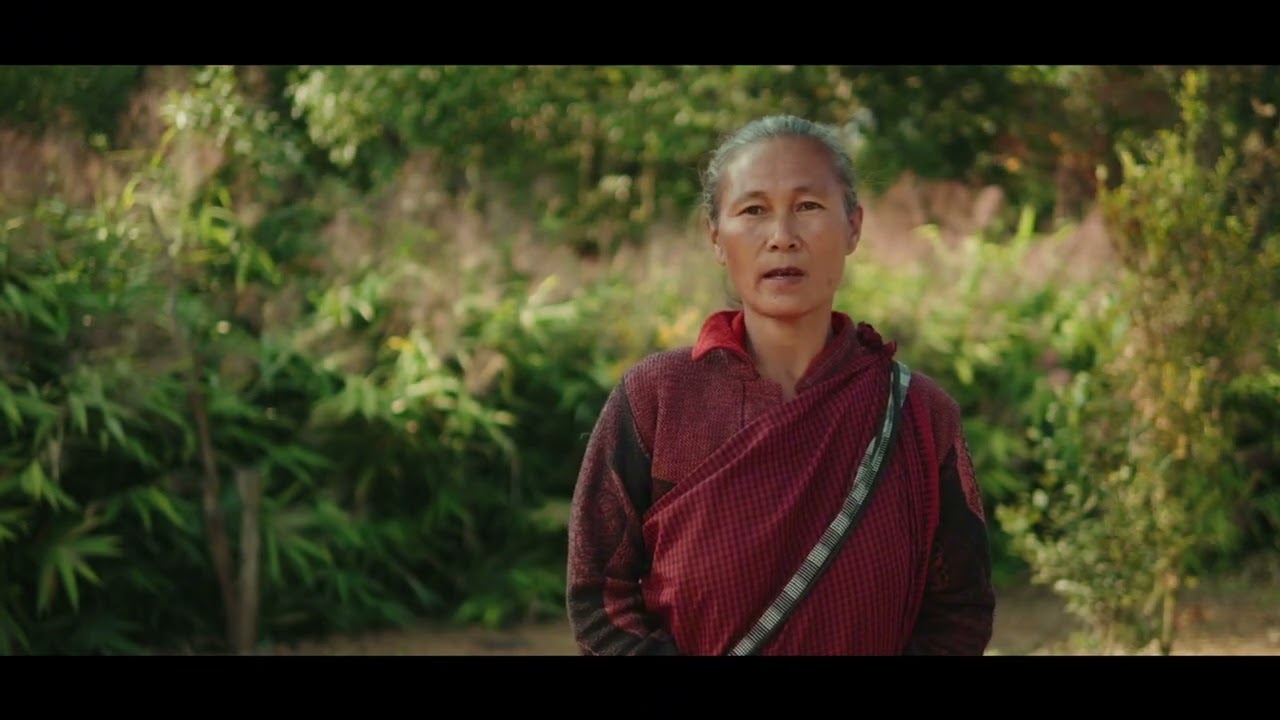
My name is Edwina Lamare, and I come from Madankynsaw village in West Jaintia Hills, Meghalaya. Farming has been part of my life since childhood. My mother was my first teacher, she showed me how to care for the land, how to plant with intention, and how to respect every harvest. Today, I feel proud that I am able to continue the same work she did and keep her knowledge alive.
I have been around Lakadong Turmeric all my life, but I officially began cultivating it myself after taking over my family's fields since 2000. What started as helping my mother in small patches has now grown into a more structured and focused effort on Lakadong, especially as demand has increased over the years.
Lakadong Turmeric is a delicate crop that needs careful handling. We begin preparing the fields around March and plant after soaking and selecting the healthiest rhizomes. Through the monsoon, we keep the fields clean and tend to the plants regularly. Harvest begins around September or October, followed by washing, slicing, and sun-drying. By January, the turmeric is fully dried and ready for sale or processing.
One major challenge is market access. Even though we produce high-quality Lakadong Turmeric and handle the entire process ourselves, from planting to drying, finding stable markets and fair prices remains difficult for small farmers like us.
I want to continue growing Lakadong Turmeric with the same care and quality I learned from my mother. I also hope to bring more awareness to our village's produce and ensure that farmers like me receive better opportunities. If possible, I want to expand my fields and encourage more women and young people to join farming.
It has brought a sense of fulfillment and independence. Farming Lakadong has improved my household income and given me pride, knowing that the work my mother taught me continues to support my family and community.
The best part is seeing the plants grow day by day and finally harvesting the golden turmeric — it feels like witnessing the reward of months of dedication.
My advice for young farmers is: learn with patience, stay committed, and don't be afraid to continue the traditions your elders began. There is dignity, pride, and a future in farming when you give it your all.