Your cart is empty.
Have an account? Log in to check out faster.

Chia kheer takes the structure of a traditional payokh — milk simmered low and slow with a starchy grain until it thickens into a creamy, spiced pudding — and swaps rice for chia seeds. The chia seeds soak for 15 minutes first, then go into a pot of simmering cream and milk where they release their gel and thicken the kheer naturally, without any cornstarch or flour. Saffron threads stir in toward the end and turn the pudding a soft gold. Cardamom, almonds, and pistachios finish it. The whole process takes about 30 minutes, and the result is a kheer with all the richness and warmth of the original but a slightly different texture — the chia seeds add a gentle pop against the creamy base instead of the soft, dissolving mouthfeel of rice.
The technique matters more than it looks. Chia seeds clump aggressively if they hit hot liquid in a mass, so breaking up any lumps before adding them to the pot is critical. Constant stirring through the 15-minute simmer prevents the bottom from scorching — cream and milk mixtures burn easily and there's no recovering a scorched kheer. The saffron goes in after the kheer has thickened so the threads bloom in the hot pudding and release their color and fragrance gradually rather than cooking out over the full simmer.
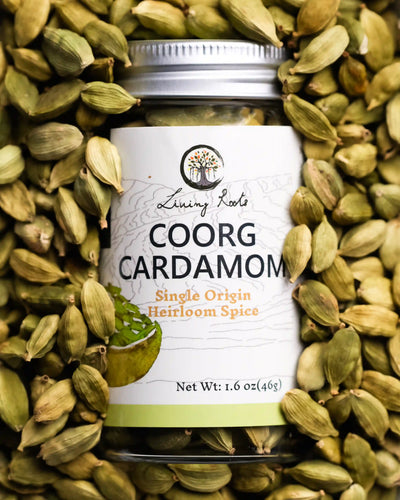
This is a birthday recipe — a version of the payokh that gets made for celebrations, adapted here with chia seeds for a keto-friendly, protein-rich take that keeps the spirit of the original. Pampore Kashmir Saffron (hand-harvested, high crocin content) gives the kheer its golden color and a floral, honey-like fragrance, and Coorg Cardamom adds the bright, aromatic finish that makes kheer taste like kheer. It's good warm, it's good cold — that's a household debate this recipe won't settle.
Every birthday, my mom would make payokh (also known as kheer or payasam) for me—a tradition I’ve always held close to my heart. Wanting to recreate it with a healthier twist, I looked for a rice substitute. Since I’ve been making overnight chia seed pudding, I thought, why not try my mom’s payokh with chia seeds? It worked perfectly, and my son gave it two thumbs up. I hope you enjoy it too!
Yes — this recipe is a chia-seed adaptation of traditional rice kheer (payokh/payasam). To make the classic version, replace the chia seeds with 3 tablespoons of washed basmati rice and simmer in the cream-milk mixture for 25–30 minutes until the rice is completely soft and the kheer has thickened. Rice kheer requires more cooking time and more stirring, but the saffron, cardamom, and nut garnish stay the same.
Yes, when made with monk fruit sweetener instead of condensed milk or sugar. Chia seeds are low in net carbs (about 1g net carbs per tablespoon) and high in fiber and protein. Heavy cream is keto-compatible. The main carb sources to watch are the sweetener choice and the milk — substituting almond milk for the whole milk portion further reduces the carb count. The nuts used for garnish add minimal carbs.
Chia seeds clump when they hit hot liquid in a mass. The fix is to break up the soaked chia gel thoroughly with a fork before adding it to the pot — stir until the seeds are individually separated and the mixture is pourable, not a solid blob. If lumps have already formed in the kheer, whisk vigorously or use an immersion blender on a low setting for a few seconds to break them apart. Adding the seeds gradually while stirring also helps prevent clumping.
Chia kheer keeps in an airtight container in the refrigerator for 3–4 days. It thickens significantly as it chills because the chia seeds continue absorbing liquid. Stir in a splash of milk before serving to loosen it back to your preferred consistency. Add the nut garnish fresh each time — almonds and pistachios stored in the kheer turn soft and rubbery overnight.
Every spice in this recipe comes from a farmer we know by name. Lab-tested for purity, harvested at peak season, and shipped within weeks, unlike the years it takes for grocery stores to stock their spices. Meet our farmers