Your cart is empty.
Have an account? Log in to check out faster.


Short answer: Curcumin absorbs poorly on its own, with much of it passing through before reaching the bloodstream. Black pepper (piperine) can increase bioavailability by up to 2,000% in controlled studies, and dietary fat further improves absorption because curcumin is fat-soluble. High-curcumin varieties like Lakadong (7–9% vs. the typical 2–5%) begin with a substantially stronger baseline.
You've probably heard that turmeric is good for you. The golden spice has been used in Ayurvedic medicine for thousands of years, and modern research has caught up with over 15,000 peer-reviewed studies examining curcumin, its primary active compound.
But here's what most articles won't tell you: curcumin is notoriously difficult for your body to absorb. You could consume significant amounts of turmeric and have almost none of its beneficial compounds reach your bloodstream.
In my practice, patients report taking turmeric for months without noticeable benefit. My first question is always the same: how are you taking it? The answer often reveals the real issue. It’s rarely the turmeric - it’s the absorption.
Understanding the science of curcumin absorption helps delineate the difference between turmeric that works and turmeric that passes through your system unused.
Bioavailability refers to how much of a substance actually reaches your systemic circulation after you consume it. For curcumin, this number is startlingly low.
A landmark 1978 study published in Acta Pharmacologica et Toxicologica found that when curcumin was administered orally to rats, the majority was recovered unchanged in feces, suggesting limited systemic absorption. Subsequent human studies have demonstrated a similar pattern: curcumin undergoes rapid metabolism in the intestinal wall and liver, and circulating levels decline quickly.
The British Heart Foundation notes this directly: "Another issue is that curcumin is not easily absorbed by the gut into the body." The UK's Committee on Toxicity has stated that curcumin has low bioavailability and that supplements often use synthetic forms or additives specifically to try to overcome this limitation.
Three factors contribute to curcumin's poor bioavailability:
Low aqueous solubility. Curcumin doesn't dissolve well in water, which limits absorption in the gut.
Rapid metabolism. The liver quickly converts curcumin into metabolites through Phase I and II detoxification pathways, particularly via cytochrome P450 enzymes.
Quick elimination. What curcumin does enter the bloodstream is rapidly cleared from the body.
I explain it to patients this way: imagine you're trying to fill a bathtub, but the drain is wide open. It doesn't matter how much water you pour in if it's draining out faster than you can fill it. That's essentially what happens with standard curcumin - your body processes and eliminates it before it can accumulate to useful levels.
In 1998, researchers at St. John's Medical College in Bangalore published a study that transformed our understanding of curcumin absorption. They found that piperine, the compound that gives black pepper its bite, increased curcumin bioavailability by 2,000% in humans.
Two thousand percent. That's not a marginal improvement; it's a complete shift in how your body processes the compound.
Nuffield Health, one of the UK's leading healthcare providers, highlights this research, and the peer-reviewed journal Foods confirms that piperine, when combined in a complex with curcumin, has been shown to increase bioavailability by 2,000%.
Piperine inhibits glucuronidation, a metabolic process in the liver and intestine that normally tags curcumin for rapid elimination. By slowing this process, piperine gives curcumin more time to be absorbed into the bloodstream.
When I explain that black pepper can meaningfully alter curcumin absorption, there is often surprise. But the evidence supporting this interaction is consistent across studies. It’s a useful reminder that food synergy — how compounds interact — can be as important as the individual ingredient itself.
The practical application is simple: consume turmeric with black pepper. This isn't a modern biohack, it's traditional wisdom validated by science. Indian cuisine has paired turmeric with black pepper for centuries, and Ayurvedic formulations often combine the two.
Curcumin is lipophilic, it dissolves in fat, not water. This property significantly affects absorption.
When you consume curcumin with dietary fat, it gets incorporated into micelles, tiny fat droplets that form during digestion. These micelles transport curcumin across the intestinal barrier more efficiently than curcumin consumed without fat.
Nuffield Health notes that studies have shown combination with fats, such as olive or rapeseed oil, may also increase absorption. A 2015 study in Molecular Nutrition & Food Research demonstrated that curcumin absorption increased substantially when consumed with lipids.
This explains why traditional preparations often combine turmeric with ghee, coconut milk, or oil. Golden milk (turmeric latte) made with full-fat milk or coconut milk isn't just tastier—it's more effective. A turmeric-yogurt dip delivers curcumin alongside dairy fat. Even cooking with turmeric in oil improves absorption compared to dry preparations.
I often see patients who've been adding turmeric to water or taking capsules on an empty stomach. When I explain the fat-solubility issue, there's usually an 'aha' moment. I suggest thinking of turmeric as you would vitamins A, D, E, and K—the fat-soluble vitamins. You wouldn't take those on an empty stomach, and the same logic applies here. A golden milk with coconut cream, turmeric stirred into yogurt, or simply adding it to a meal that contains healthy fats—these small changes can make a meaningful difference in what your body actually absorbs.
A common concern: does heat degrade curcumin? The answer is nuanced.
Extended high heat can break down curcumin. A study in Food Chemistry found that boiling turmeric for 15–30 minutes reduced curcumin content significantly. However, brief cooking, typical in most recipes, appears to have minimal impact.
More importantly, cooking turmeric in oil may improve bioavailability despite some loss from heat. Because curcumin is fat-soluble, oil-based delivery can enhance absorption enough to outweigh moderate degradation. Research suggests that adding turmeric toward the end of cooking, or using it in warm (not boiling) preparations such as golden milk, helps balance preservation with absorption.
High-dose extracts attempt to solve the bioavailability problem pharmacologically. Traditional preparations solve it culinarily.
The British Heart Foundation takes a measured stance, noting there is no strong evidence to support claims that turmeric supplements are specifically good for your heart, while some studies have shown positive effects. However, they add that using turmeric regularly in cooking, especially to add flavour instead of salt, is a good idea.
Versus Arthritis, the UK's leading arthritis charity, notes that more than 20 clinical trials have tested turmeric and its active compound curcumin for arthritis. Some studies show benefits comparable to ibuprofen but with fewer stomach side effects. Bio-enhanced forms of curcumin, which are absorbed more effectively, appear to work better.
Cancer Research UK acknowledges that laboratory studies have shown curcumin has anti-cancer effects and that it seems to be able to kill cancer cells and prevent more from growing, while noting that at the moment there is no clear evidence in humans to show that turmeric or curcumin can prevent or treat cancer.
The UK's Committee on Toxicity has established an Acceptable Daily Intake (ADI) of 0–3 mg/kg body weight for curcumin, noting that dietary turmeric used as a spice in cooking generally leads to exposures that are within the dietary ADI and is considered safe for most people.
I appreciate the cautious stance from health authorities. It’s appropriate given the complexity of the research. What I tell patients is this: the evidence for curcumin is strongest in the area of inflammation, particularly for conditions like osteoarthritis where multiple trials show meaningful symptom improvement. For other claimed benefits heart health, cancer prevention, cognitive function, the research is promising but not yet conclusive. What we can say with confidence is that dietary turmeric, consumed as part of a varied diet and prepared in ways that optimize absorption, appears to be safe and may offer benefits. It's not a magic bullet, but it's a reasonable component of an anti-inflammatory dietary pattern.
The supplement industry has focused heavily on isolated curcumin extracts, often standardized to 95% curcuminoids. The logic seems sound: more curcumin per dose should mean more benefit.
But whole turmeric contains more than just curcumin. It includes other curcuminoids (demethoxycurcumin and bisdemethoxycurcumin), volatile oils like turmerone, and hundreds of other compounds. Research suggests these components may work synergistically.
A meta-review published in Complementary Therapies in Medicine found that one study showed curcumin had greater bioavailability when administered in whole turmeric powder than when administered alone, suggesting a synergy between curcumin and other turmeric constituents.
A 2013 study published in Cancer Prevention Research found that whole turmeric extract was more effective than isolated curcumin in suppressing tumor growth in mice. The researchers attributed this to synergistic effects among turmeric's multiple compounds.
The Royal Marsden NHS Foundation Trust notes that studies on curcumin generally use concentrated supplements rather than the quantities of turmeric that would be consumed in a normal diet, with amounts often approximately 10–20 times the average Indian dietary intake.
I've seen supplement bottles with impressive-sounding dosages—500mg, 1000mg of curcumin. My perspective, informed by both the research and what I see clinically, is that the delivery method often matters more than the milligrams on the label. A high-dose supplement with poor bioavailability could potentially deliver less usable curcumin than a well-prepared golden milk made with quality turmeric, black pepper, and fat. This is why I generally advocate a food-first approach: use high-quality whole turmeric in cooking, prepared in ways that optimize absorption, before reaching for supplements. If supplements are appropriate for a specific situation, we can discuss the formulations that have better evidence behind them.
If you're going to use whole turmeric, the curcumin content of your starting material matters significantly.
Standard commercial turmeric typically contains 2–5% curcuminoids by weight. This is the turmeric you'll find in most grocery stores—adequate for adding color and mild flavor, but not optimized for therapeutic benefit. The Arthritis Foundation notes that turmeric only contains about 2 to 6% curcumin, so you're not getting much of the anti-inflammatory effect from standard varieties.
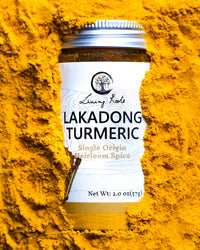
Lakadong turmeric, grown in the Jaintia Hills of Meghalaya, India, contains 7–9% curcuminoids, or roughly three times the concentration of standard varieties. Living Roots Lakadong turmeric has been lab-tested at 7.61% curcumin content.
| Turmeric Type | Curcumin Content | Relative Potency |
|---|---|---|
| Standard grocery turmeric | 2–5% | Baseline |
| High-quality commercial | 5–7% | 1.5–2x |
| Lakadong turmeric (Meghalaya) | 7–9% | ~3x |
| Isolated curcumin extract | 95% | Concentrated but lacks synergistic compounds |
The difference comes from terroir: the specific soil composition, elevation (around 4,000 feet), and climate of Meghalaya create conditions that produce turmeric with exceptional curcumin concentration. The Khasi and Jaintia peoples have cultivated this variety for generations, and it's now protected as a Geographical Indication (GI) product by the Indian government.
When patients ask me about turmeric, I tell them: not all turmeric is created equal. Just as wine from different regions has different characteristics, turmeric from different growing conditions has different curcumin concentrations. If you're using turmeric for its potential health benefits rather than just as a flavoring, starting with a high-curcumin variety makes sense. You're getting more of the active compound per teaspoon, which means even with the absorption challenges, more is reaching your system.
The practical implication: when you pair high-curcumin turmeric with the absorption strategies above (piperine from black pepper, dietary fat), you're starting from a significantly higher baseline.
Dietary turmeric used in cooking is generally considered safe. The UK's Committee on Toxicity notes that the amounts of turmeric used in cooking are low and unlikely to have therapeutic or adverse effects.
However, supplements are a different matter. The British Heart Foundation advises that turmeric supplements are generally considered safe for most people, but they can interfere with medicines, so check with your GP first. Specific cautions include blood thinners (anticoagulants), as high doses of turmeric could have a blood-thinning effect. People with liver or bile duct problems should also consult their doctor, as turmeric can increase bile production.
The Welsh Medicines Advice Service adds that children, adolescents, and pregnant women should avoid using medicinal doses of turmeric until there is more evidence of its safety.
I want to be clear about an important distinction: turmeric as a culinary spice has a centuries-old usage record. Adding it to your dal or golden milk is not the same as taking high-dose curcumin supplements. Where I advise caution is with concentrated supplements, particularly for patients on blood thinners, those with gallbladder issues, or anyone taking medications that might interact. If you're using turmeric in food, prepared traditionally with fat and pepper, the safety profile has a long track record. If you're considering therapeutic doses for a specific condition, that's a conversation to have with your healthcare provider.
Based on the research, here's how to get the most from your turmeric:
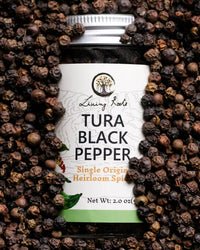
Always pair with black pepper. Even a small amount - a few cracks from a pepper mill provides enough piperine to meaningfully enhance absorption. The classic ratio in many traditional preparations is roughly 1/4 teaspoon of black pepper per teaspoon of turmeric.
Include dietary fat. Cook turmeric in oil, add it to milk-based drinks, or pair it with foods that contain fat. A turmeric smoothie made with coconut milk, a golden latte with whole milk, or turmeric added to a curry cooked in ghee all optimize absorption.
Use gentle heat. Brief cooking is fine and may help release curcumin from the turmeric matrix. Add turmeric toward the end of cooking for optimal preservation, or use warm (not boiling) preparations.
Choose high-curcumin varieties. Starting with turmeric that contains 7%+ curcumin means your baseline is significantly higher, regardless of absorption rate.
Be consistent. The benefits of curcumin appear to be cumulative. Regular, moderate consumption likely outperforms occasional high doses.
What I suggest to patients interested in turmeric is to think about it as a food first, not a pill. How are you incorporating it into meals? Are you pairing it with fat and pepper? These questions matter more than dose. I've seen patients get frustrated because they expected turmeric to work like a medication: take a pill, get a result. That's not how dietary compounds work. The goal is consistent, well-absorbed intake as part of an overall anti-inflammatory dietary pattern. When patients approach it that way, they tend to have better experiences.
Curcumin is a genuinely interesting compound with a substantial body of research behind it. The evidence is strongest for inflammatory conditions like osteoarthritis, with Versus Arthritis noting that bio-enhanced forms of curcumin, which are absorbed more effectively, appear to work better.
But the science of absorption matters: poorly absorbed curcumin delivers a fraction of its potential benefit, regardless of dose. The traditional wisdom—using whole turmeric rather than extracts, pairing it with black pepper, cooking it with fat—turns out to be well-supported by modern research.
Understanding the mechanisms of bioavailability allows for more informed, evidence-based use of turmeric, whether in the kitchen or as part of a broader dietary pattern.
Sourced directly from family farms. Pure, authentic, and full of story.
Shop Our Collection