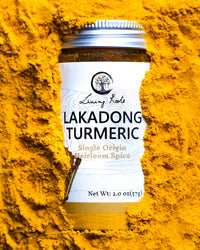
Lakadong Turmeric: A Potent Spice

spice market

The Golden Spice of Meghalaya

Turmeric is variously known as Haldi, Manjal, Arishna — loosely translated as "the yellow spice" across every region in India. Far out in the hills of Eastern India, in the state of Meghalaya, it is known by its eponymous name: Lakadong.

Grown only in a small valley in the West Jaintia Hills at the base of the village that gives the spice its name, this variety of turmeric is prized for its curcumin content — often exceeding 7% — capturing attention for turmeric's powerful anti-inflammatory properties.

In Meghalaya, Lakadong turmeric is renowned for its exceptional quality beyond potency alone. This golden spice is deeply embedded in the culinary traditions of the region's various tribes, passed down through generations as both medicine and flavor.

Spice market in Shillong, Meghalaya

Kitchen Traditions in Jaintia Hills

Walk into any household in Jaintia Hills, and you'll likely find a jar of Lakadong turmeric adorning the kitchen shelves. Locals incorporate this spice into various dishes, from hearty curries to refreshing beverages. Its distinctive taste adds a layer of depth to the cuisine, making it indispensable for both everyday meals and special occasions.

Traditional Dishes Made with Lakadong

Jadoh — Meghalaya's answer to biryani. Rice is cooked with Lakadong turmeric, bay leaves, and a variety of spices, usually mixed with vegetables like carrots, beans, and peas.

Tungrymgbai — Go ahead, it isn't that hard to pronounce! Think fermented soybeans with Lakadong turmeric and warming spices — a savory winter dish that is the original Khasi comfort food.

Sabzis — Basic vegetable curries and stews. Locals add a dash of Lakadong turmeric as a base spice to every dish.

Traditional Jadoh dish

Lakadong Turmeric in Shillong's Markets

The love for Lakadong turmeric extends beyond the hills to the vibrant city of Shillong. In the bustling marketplaces, where the air is filled with the aroma of local spices, you'll find stalls adorned with vivid displays of golden turmeric. From Iewduh Market to Police Bazaar, the spice has carved a niche for itself, attracting locals and tourists alike with its unique qualities.

From Hills to Homes

As Lakadong turmeric makes its way from the fields of Jaintia Hills to the homes of locals and the markets of Shillong, it weaves a narrative of community, tradition, and pride. The spice isn't just a commodity — it's a symbol of the region's agricultural heritage and the close-knit relationships formed between farmers, suppliers, and consumers.

Despite attempts to transplant the turmeric rhizomes elsewhere, the unique qualities of Lakadong have proven difficult to replicate — making this spice truly special.

What Makes Lakadong Different

  • Direct farm-to-table sourcing — We obtain our turmeric directly from smallhold farmers in the Jaintia Hills, ensuring unmatched quality and authenticity.
  • Exclusive cultivation — Grown in limited quantities during a specific season each year, with qualities that can't be replicated elsewhere.
  • Exceptional curcumin content — Often exceeding 7%, compared to 2-3% in standard turmeric varieties.
  • Cultural significance — More than a spice, it's an integral part of Meghalaya's culinary heritage.
Pro Tip: For maximum absorption, pair Lakadong turmeric with black pepper and a healthy fat like coconut oil or ghee. The piperine in black pepper increases curcumin absorption by up to 2,000%.

Experience the Golden Spice

Living Roots invites you to experience the essence of Meghalaya through the golden hues of Lakadong turmeric — a spice that transcends boundaries and brings people together through the joy of flavorful traditions.

Lakadong Turmeric FAQ

What is Lakadong turmeric?
Lakadong turmeric is a high-curcumin variety grown exclusively in the West Jaintia Hills of Meghalaya, India. Named after the village of Lakadong, it contains over 7% curcumin — roughly 2-3 times higher than standard turmeric varieties.
Why is Lakadong turmeric so special?
Lakadong turmeric has exceptionally high curcumin content (over 7%) due to the unique soil and climate conditions in Meghalaya's Jaintia Hills. Attempts to grow the same rhizomes elsewhere have failed to replicate this potency, making it truly region-specific.
How much curcumin does Lakadong turmeric contain?
Lakadong turmeric typically contains 7–9% curcumin, compared to just 2–3% in regular turmeric. This makes it up to 4 times more potent for anti-inflammatory and antioxidant benefits.
Can Lakadong turmeric be grown outside Meghalaya?
No. Despite attempts to transplant the rhizomes elsewhere, Lakadong turmeric's exceptional curcumin levels have proven difficult to replicate outside its native Jaintia Hills region, where the unique soil and climate are essential to its quality.
How do you use Lakadong turmeric?
Lakadong turmeric can be used in curries, golden milk, smoothies, soups, and traditional dishes like Jadoh. For maximum curcumin absorption, pair it with black pepper and a healthy fat like ghee or coconut oil.
What is Jadoh?
Jadoh is Meghalaya's signature rice dish, sometimes called the region's answer to biryani. Rice is cooked with Lakadong turmeric, bay leaves, and warming spices, usually mixed with vegetables like carrots, beans, and peas.
Where can I buy authentic Lakadong turmeric?
Living Roots sources Lakadong turmeric directly from smallhold farmers in Meghalaya's Jaintia Hills, with lab-tested curcumin content exceeding 7%. Visit livingrootsusa.com to shop farm-to-table Lakadong turmeric powder.

Experience the Difference

Sourced directly from family farms. Pure, authentic, and full of story.

Shop Our Collection
Elisha

Elisha

Local Spice Expert

Elisha lives in the lush and remote hills of Meghalaya where she works in Marketing and sources spices