Cardamom & Rose Butter Cookies with Pistachios

5.0 ✓ Thanks!
Serves2
Prep Time

10-12 mins

Total Time

40-45 minute

DifficultyEasy
Recipe by Aishwarya Subramanian Pastry Chef, Product Head

Aishwarya Subramanian is a designer and pastry chef bringing her creations to life atThe Recipe Lab.

Cardamom & Rose Butter Cookies with Pistachios

About This Dish

These are rolled and cut butter cookies made with confectioners' sugar, rose water, lemon zest, and ground cardamom. The confectioners' sugar (rather than granulated) is what gives them their texture: soft, fine-crumbed, and almost sandy, like a shortbread that dissolves on your tongue rather than snapping. The dough comes together quickly in a stand mixer, gets pressed into a disc, chilled, rolled to a quarter inch, cut into shapes, chilled again, and baked low at 300°F until the edges just barely turn golden. Two chilling steps are the backbone of this recipe. The first firms the dough enough to roll without sticking. The second sets the cut shapes so they hold clean edges in the oven instead of spreading and losing definition.


The aromatics are layered through the butter. Lemon zest gets beaten into the softened butter alongside the sugar, releasing its citrus oils into the fat. Rose water goes in next and emulsifies into the butter. Cardamom powder joins the dry ingredients. By the time the dough is mixed, all three flavors are distributed evenly through the fat and flour rather than sitting on the surface. The bake is gentle and slow (150°C / 300°F for 15 to 20 minutes), which preserves the rose water's volatile aromatics. A hot, fast bake would cook those aromatics out and leave the cookies tasting like plain butter cookies with a faint floral memory.


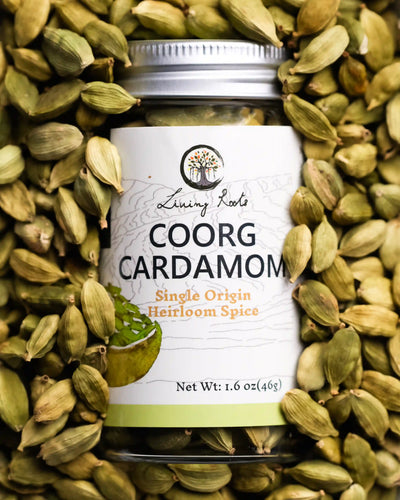
After cooling, the cookies get a drizzle of melted white chocolate from a piping bag, then chopped pistachios and edible rose petals pressed into the chocolate before it sets. The white chocolate adds a creamy sweetness that rounds out the rose and cardamom, and the pistachios provide crunch and a green contrast against the pale cookie. These are presentation cookies, designed for gift boxes, cookie tins, tea trays, and occasions where the way they look matters as much as how they taste. This recipe uses Coorg Cardamom, ground fresh from the pod, for the bright, camphor-sweet warmth that pre-ground cardamom from a jar simply can't deliver.

Ingredients

  1. 112 g unsalted butter, room temperature
  2. ¼ cup  confectioner's sugar/powdered sugar
  3. Zest of 1 lemon
  4. 1 tbsp rose water
  5. 160 g all-purpose flour
  6. ¼ tsp fine sea salt
  7. ½ tsp freshly pounded Coorg Cardamom
  8. 3 tbsp blanched and chopped pistachios for sprinkling
  9. ¼ cup white chocolate chips
  10. 10 Dried rose petals

Instructions


  1. In the bowl combine the softened butter, lemon zest, and confectioners sugar and beat together on medium speed until creamy and combined.

  2. Beat in the rose water.

  3. Reduce the mixer speed to low. Add the flour, salt and cardamom powder and beat just until combined.

  4. Turn the dough out onto some cling film. Press the dough together, forming a disc shape, about an inch in height. Wrap the dough with the cling film and place it in the refrigerator to chill for 30 minutes.

  5. Dust your work surface generously with flour as the dough may get sticky.. Roll out your cookie dough to about ¼ inch thick. Cut out the desired shapes and place them on a silicon mat leaving about 2 inches in between the cookies. 

  6. Place the cooking sheets into the refrigerator to chill for 30-45 minutes.

  7. Preheat the oven to 150C while the cookies are chilling.

  8. Once the cookies are properly chilled, bake for 15-20 minutes or until the edges of the cookies start to turn a light golden brown.

  9. Let cool completely on the cookie sheets or on a cooling rack.

  10. Place the white chocolate into a microwave-safe bowl.

  11. Melt the chocolate in 30-second increments in the microwave until the chocolate has melted.

  12. Transfer the melted chocolate to a piping bag and drizzle over the cookies.

  13. Before the chocolate is set, sprinkle with chopped pistachios and top with edible rose petals. Let the chocolate dry, then serve.

Ways to Make It Your Own

Orange Blossom and Pistachio Cookies

Replace the rose water with an equal amount of orange blossom water and swap the lemon zest for orange zest. The cookie shifts from a floral, rose-forward profile to a warmer, more citrus-honeyed one. Orange blossom water is slightly less potent than most rose waters, so you can be a bit more generous. Fold a quarter cup of finely chopped pistachios into the dough along with the flour for pistachio crunch in every bite (in addition to the pistachio garnish on top). Keep the cardamom; it bridges citrus and floral notes regardless of which flower water you use.

Sandwich Cookies with Rose Buttercream

Make the cookies slightly thinner (about 3/16 inch instead of a quarter inch) and cut them all the same size and shape. Pair them into matching sets. Make a simple buttercream: beat softened butter with confectioners' sugar, a pinch of salt, and a small splash of rose water until fluffy. Pipe or spread a thin layer of buttercream onto the flat side of one cookie and sandwich with its match. The buttercream adds a creamy, rich center that amplifies the rose flavor from the cookie. Roll the exposed buttercream edges in finely chopped pistachios for a polished, bakery-style finish. Skip the white chocolate drizzle on sandwich versions.

Cardamom Snickerdoodle Variation

Drop the rose water and lemon zest entirely. Increase the cardamom to a full teaspoon and add a quarter teaspoon of cinnamon. Roll small balls of dough in a mixture of granulated sugar and cardamom powder before baking (skip the rolling and cutting). Bake at 350°F for 10 to 12 minutes. The result is a soft, pillowy cookie with crackled tops and a cardamom-cinnamon sugar crust, closer in spirit to a snickerdoodle than a shortbread. This version is simpler, faster (one chill instead of two), and good for everyday baking when you don't need the presentation-level finish of the original.

Gluten-Free Version

Replace the all-purpose flour with an equal amount of 1:1 gluten-free baking flour (Bob's Red Mill and King Arthur both work well in shortbread-style cookies). The confectioners' sugar and high butter ratio in this recipe mean gluten isn't doing much structural work anyway, so the swap is nearly seamless. The cookies may spread very slightly more, so make sure both chilling steps are a full 30 to 45 minutes. The texture will be just as sandy and melt-in-the-mouth as the original. Everything else, including the rose water, cardamom, white chocolate, and toppings, stays the same.

Why These Ingredients Matter

Coorg Cardamom

Sourced from the hill plantations of Coorg in southern India, these green cardamom pods have an intense, camphor-edged sweetness with a cooling eucalyptus note. In these cookies, the cardamom joins the dry ingredients as a fine powder and distributes evenly through the dough. Grind the seeds fresh from the pod just before mixing. Pre-ground cardamom loses its volatile oils within weeks of grinding and contributes a flat, dusty note rather than the bright, almost mentholated warmth that fresh cardamom provides. A quarter teaspoon of freshly ground seeds is enough for a full batch. The low bake temperature preserves the cardamom's aromatic complexity rather than cooking it out.

Rose Water

Rose water is the cookie's signature flavor, and getting the amount right is critical. It goes into the butter after the sugar and lemon zest, where it emulsifies into the fat and distributes through every cookie. Use culinary-grade rose water (Cortas and Sadaf are reliable, consistent brands). The concentration varies enormously between brands, so start with the recipe's amount and taste the dough before chilling. The rose should be clearly present but not perfumey. If the dough smells like you're standing in a florist's shop, you've used too much. The low, slow bake helps preserve the rose water's delicate aromatics; a hotter oven would drive them off.

Confectioners' Sugar

Confectioners' sugar (powdered sugar) is the reason these cookies are soft and tender rather than crisp and snappy. The extremely fine sugar crystals dissolve almost completely into the butter during creaming, producing a smoother dough with less structure than granulated sugar would. The result is a cookie with a fine, almost sandy crumb that melts on the tongue. Confectioners' sugar also contains a small percentage of cornstarch (as an anti-caking agent), which further tenderizes the crumb. Don't substitute granulated sugar; it produces a completely different texture that's crisper, crunchier, and less refined.

Lemon Zest

The lemon zest gets beaten directly into the softened butter alongside the sugar, where the mixer's paddle ruptures the zest's oil cells and works limonene (the primary citrus aromatic compound) into the fat. This distributes the citrus evenly through the dough rather than leaving visible flecks of zest. The lemon plays a supporting role: it brightens the rose water and keeps the cookies from tasting one-dimensionally floral. Use a Microplane and zest only the yellow outer layer. The white pith underneath is bitter and will leave an unpleasant aftertaste in a delicate cookie like this. One medium lemon produces more than enough zest for a batch.

White Chocolate

The white chocolate drizzle is both decorative and functional. Its creamy, vanilla-forward sweetness rounds out the rose and cardamom flavors and adds a second texture (smooth and slightly waxy) against the sandy cookie. Use real white chocolate made with cocoa butter (Valrhona, Callebaut, or Ghirardelli), not "white candy coating" or "white baking chips," which are made with palm oil and taste flat and waxy. Melt in 30-second microwave increments, stirring between each, to avoid scorching. Transfer to a piping bag (or a zip-lock with a tiny corner snipped off) for clean, controlled drizzle lines.

Tips & Storage

Chill Twice, and Don't Skip Either Step

The first chill (30 minutes after forming the dough disc) firms the butter enough to roll the dough without it sticking to the counter or the rolling pin. The second chill (30 to 45 minutes after cutting shapes) resets the butter that softened during rolling and cutting, which means the cookies hold their shape in the oven instead of spreading and losing their clean edges. If your kitchen is warm, the second chill is even more important. If the cut shapes feel soft or floppy when you move the sheet to the fridge, they'll spread in the oven. They should feel firm and hold their shape when you pick one up.

Roll on a Well-Floured Surface

This dough is soft and gets sticky fast, especially if your butter was on the warm side of "softened." Dust the work surface, the top of the dough, and the rolling pin generously with flour before you start. If the dough sticks at any point, slide an offset spatula or bench scraper underneath to release it, add more flour, and keep going. Roll from the center outward, rotating the dough a quarter turn every few passes to keep it even. A quarter inch is the target thickness: thinner cookies will be crisp and fragile, thicker ones will be cakey rather than sandy.

Bake Low and Watch the Edges

These cookies bake at 300°F (150°C), which is lower than most cookie recipes. The low temperature does two things: it preserves the rose water and cardamom aromatics (which would volatilize off at higher heat), and it bakes the cookies through gently so the crumb stays soft and sandy rather than turning crisp. Start checking at 15 minutes. The cookies are done when the very edges show the faintest golden color. The centers will still look pale and slightly underset, which is correct. They firm as they cool. If you wait until the center looks done, the cookies will be overbaked and dry.

Decorate on Cooled Cookies Only

The white chocolate, pistachios, and rose petals go on after the cookies have cooled completely on the baking sheet or a wire rack. Warm cookies will melt the chocolate drizzle on contact, producing a blurry, absorbed mess rather than clean lines. Drizzle the melted chocolate from the piping bag in thin, deliberate passes, then immediately press the chopped pistachios and rose petals into the wet chocolate so they stick as it sets. Work in small batches of three or four cookies at a time; if you drizzle all the cookies at once, the chocolate on the first ones will set before you get to the toppings.

Storage and Gifting

Store the finished cookies in a single layer in an airtight container, with parchment paper between layers if you need to stack them. The white chocolate drizzle can stick to adjacent cookies or smudge if they're piled loosely. They keep at room temperature for up to a week and actually taste slightly better on day two as the rose and cardamom flavors meld into the butter. These are excellent gifting cookies because of their flat, uniform shape, the decorative white chocolate drizzle, and the visible pistachios and rose petals. They ship well in a tin with parchment padding. Undecorated cookies freeze well for up to a month; thaw and decorate with fresh chocolate and toppings before serving.

Frequently Asked Questions

How much rose water should I use in cookies?

Start with the amount in the recipe and taste the dough before chilling. Rose water concentration varies significantly between brands, so there's no single universal measurement. The dough should smell clearly floral but not perfumey. If it smells like soap or a candle, you've used too much and the only fix is adding more dough (more butter, sugar, and flour) to dilute the rose. Cortas and Sadaf are reliable brands with consistent concentration.

Why are my cut-out cookies spreading and losing their shape?

The butter is too warm. Cut-out cookies need two chilling steps to hold clean edges in the oven: once after mixing (to firm the dough for rolling) and again after cutting (to reset the butter before baking). If the cut shapes feel soft or floppy on the baking sheet, return them to the refrigerator for another 15 to 20 minutes. Also make sure your oven is fully preheated before the cookies go in; a cold oven lets the butter melt and spread before the flour structure sets.

Can I use pre-ground cardamom instead of grinding from pods?

You can, but the flavor will be significantly weaker. Pre-ground cardamom loses its volatile oils within a few weeks of grinding, and what's left is a flat, dusty taste rather than the bright, camphor-sweet warmth of freshly ground seeds. If using pre-ground, increase the amount by about 50% and accept that the flavor won't be as vivid. For the best results, crack green cardamom pods, remove the seeds, and grind them in a mortar and pestle or spice grinder just before adding to the flour.

Can I make rose cardamom cookies without white chocolate?

Yes. The cookies are fully flavored on their own and taste excellent without any topping. For an alternative finish, dust the cooled cookies with a light sifting of confectioners' sugar, or brush the warm cookies with a thin rose water glaze (confectioners' sugar whisked with a few drops of rose water and milk). The pistachios and rose petals can be pressed into the cookie tops before baking instead, though they won't adhere as securely without the chocolate to act as glue.

Why Our Spices Make a Difference

Every spice in this recipe comes from a farmer we know by name. Lab-tested for purity, harvested at peak season, and shipped within weeks, unlike the years it takes for grocery stores to stock their spices. Meet our farmers

Lab Tested Direct Trade Single Origin
Published May 28, 2025 Updated February 12, 2026
Coorg Cardamom
Pampore Saffron